Regular inspections are one of the simplest and highest-return habits in property management, yet they are also among the most commonly skipped.
Most expensive property surprises are not really surprises. They are small problems that have been quietly growing for months while nobody was looking. A slow leak under the sink, a resident who has stopped caring for the property, or a failing water heater showing warning signs can all be caught early when someone regularly checks the home. This is why regular rental property inspections are a core part of how we protect the properties we manage.
Move-in and Move-out Inspections Protect Everyone
The bookend inspections are nonnegotiable. A thorough and documented move-in inspection with photos records the exact condition of the unit before a resident takes possession. The matching move-out inspection shows what changed.
Together, these records provide clear evidence that can make security deposit decisions fair and defensible. You can separate normal wear and tear from actual damage, charge appropriately, and support the decision if it is ever questioned. Without a proper move-in and move-out inspection, deposit disputes can become your word against the resident’s, which is a fight you can easily lose.
Periodic Checks Catch the Expensive Stuff Early
Inspections during the tenancy are where the real money is saved. A periodic interior check can identify a slow leak before it damages the subfloor, failing caulk before it causes water damage, and a small maintenance concern before it becomes a major repair.
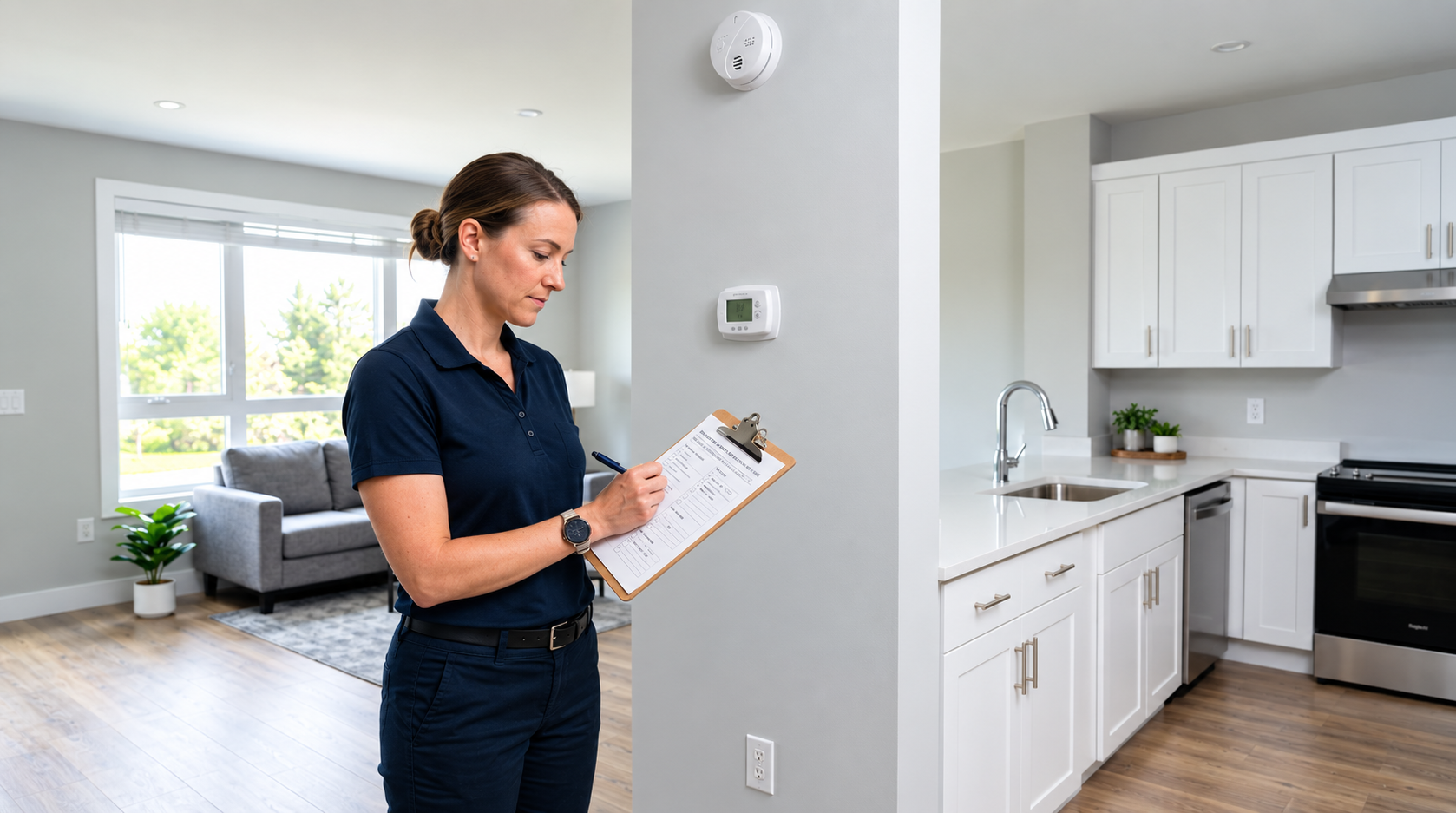
Following a consistent rental inspection checklist also gives the manager an opportunity to confirm that the property is being cared for and that the lease terms are being respected. This may include identifying unauthorized pets, significantly more occupants than the lease allows, or signs of serious neglect. Finding these issues early protects both the asset and the other residents.
Curb Checks and Safety
Not every inspection requires a complete walkthrough. Periodic exterior checks and drive-by visits can also reveal roof or gutter problems, deferred upkeep, and concerns about how the property is being maintained from the outside.
Regular inspections also allow us to confirm that essential safety features, including smoke and carbon monoxide detectors, are working properly. This protects residents while helping owners meet important liability and life safety responsibilities. Without routine checks, these issues may go unnoticed until they result in a serious incident or legal claim.
Documentation is the Point
An inspection is only as useful as the record created from it. Every inspection we complete includes photos and notes, creating clear property condition documentation and a time-stamped history of the property over time.
This record supports deposit decisions, shows how the asset is holding up, guides maintenance and capital improvement planning, and protects the owner if a dispute arises. Saying that the property appeared to be in good condition carries little weight during a disagreement. A dated collection of photographs provides far stronger evidence.
A Habit, not an Afterthought
The reason inspections get skipped is simple. They require time and effort, and a busy or understaffed manager may quietly allow them to slide. However, the time saved by skipping an inspection can lead to a much larger repair bill or a deposit dispute that cannot be successfully defended.
At ValueBuilt, we treat inspections as a routine and scheduled discipline rather than something completed only when time permits. When performed consistently, inspections are one of the most affordable forms of protection available to a property owner.
When a property manager rarely visits or evaluates your rental, there is a strong possibility that developing problems are being missed. Let us discuss how a reliable inspection routine can help protect your investment.